Hiring a local guide doesn’t just take you to the best hidden views — it can also give you the chance to try some amazing local delicacies and specialties.
If you’re in Rome, especially after a long day walking around the sites, you might need a boost of energy, something that really “picks you up”!
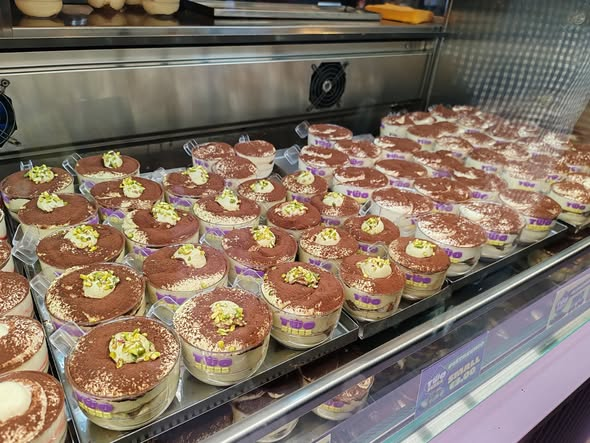
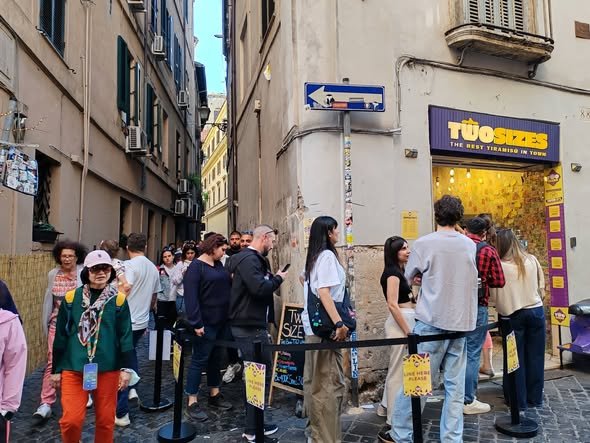
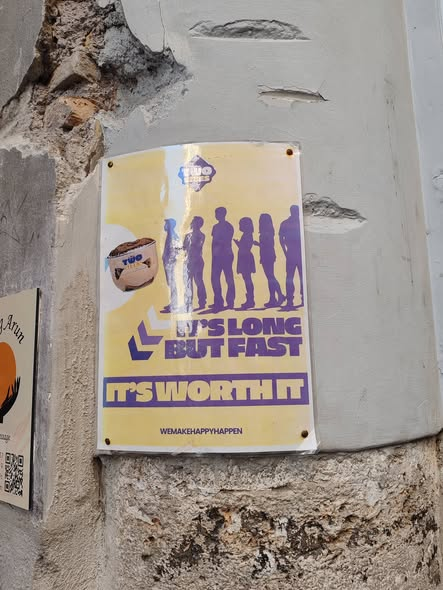
Time for the best Tiramisù in town, where the queues move quickly and you only have to make two choices: the flavour (classic, strawberry, or pistachio) and the size (big or small).
A person one day told me “Love’s the death of peace of mind”.
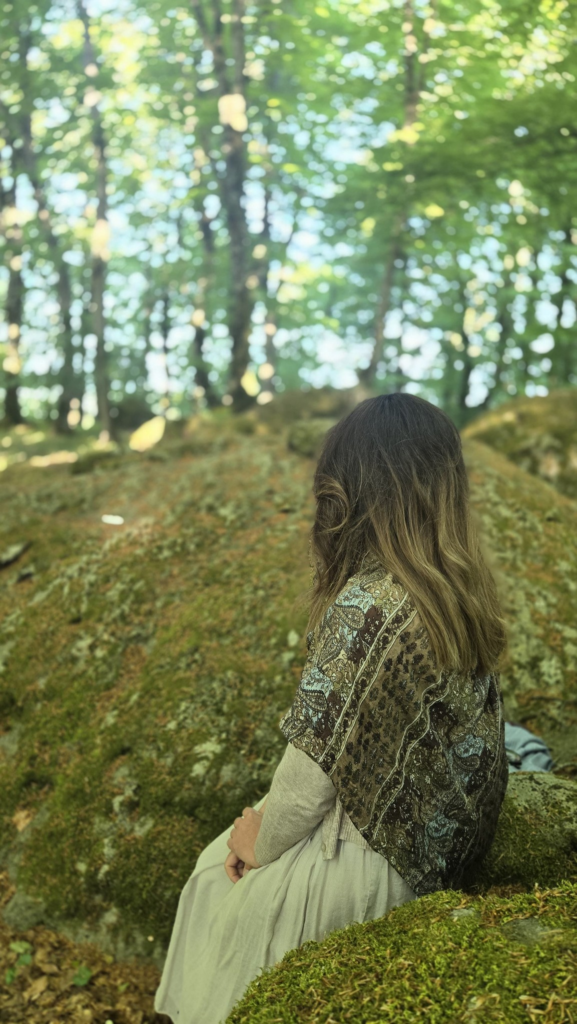
There is a place where I will always find myself reconnected and balanced. Where even a whirlwind of thoughts, feelings and perceptions find their natural order and space, where I feel alive, yet in peace.
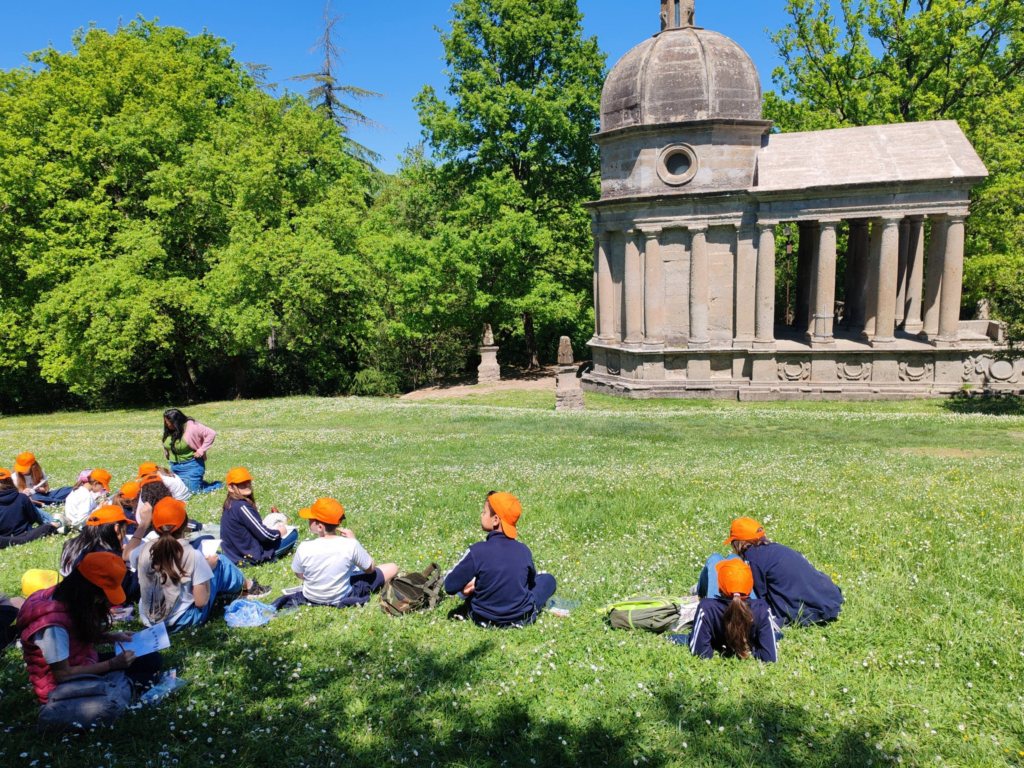
Every time I visit the Sacro Bosco with them, I wonder how I’ll introduce such a complex language of symbols—the kind spoken through the sculptures of this extraordinary Renaissance park. But it never takes long before they surprise me, finding their own meanings, making connections in ways I hadn’t even considered.
Their instinct, their imagination… it’s something we often lose as adults, yet it’s exactly what we should rediscover to better understand the world around us—and to respect it.
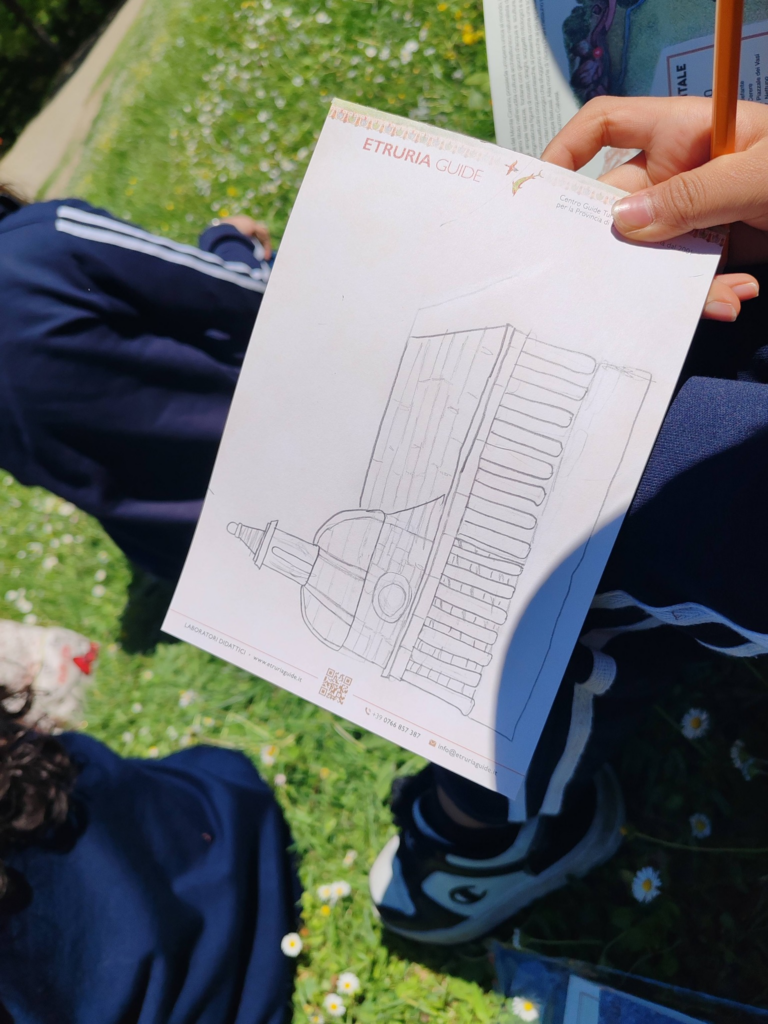
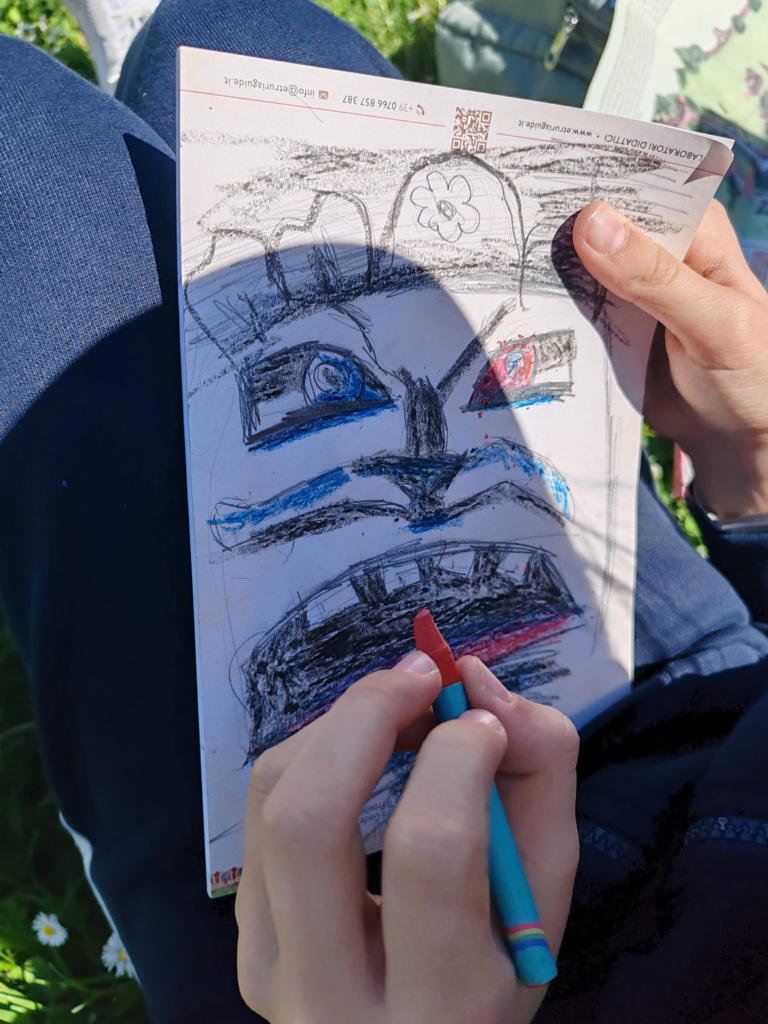
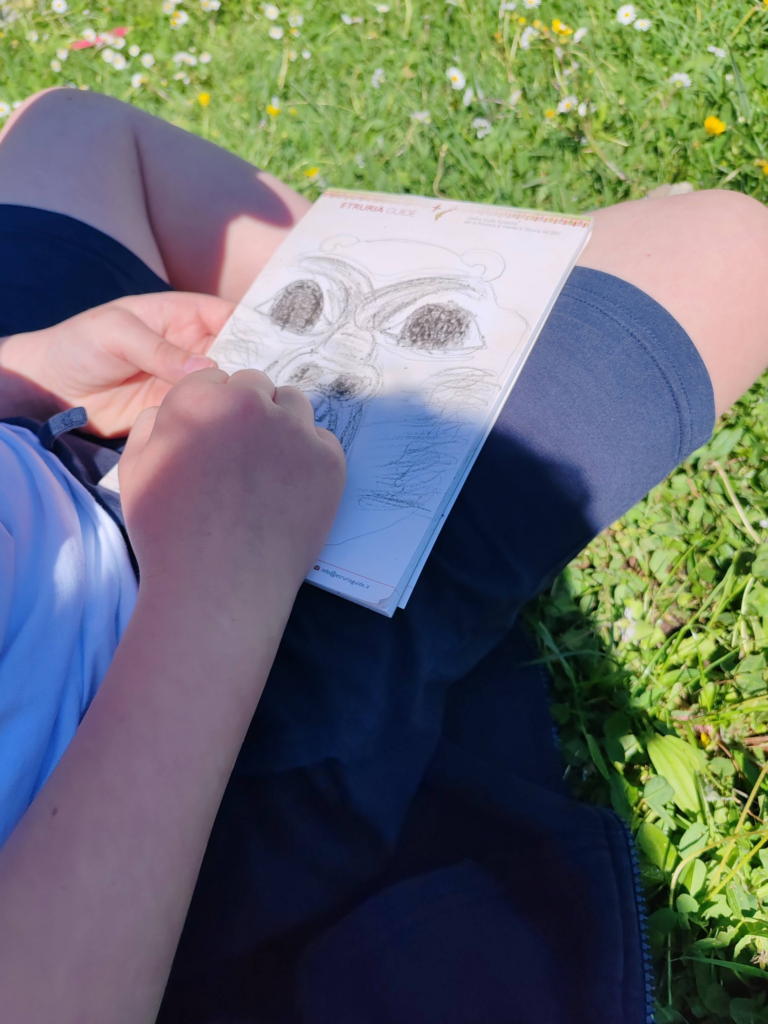
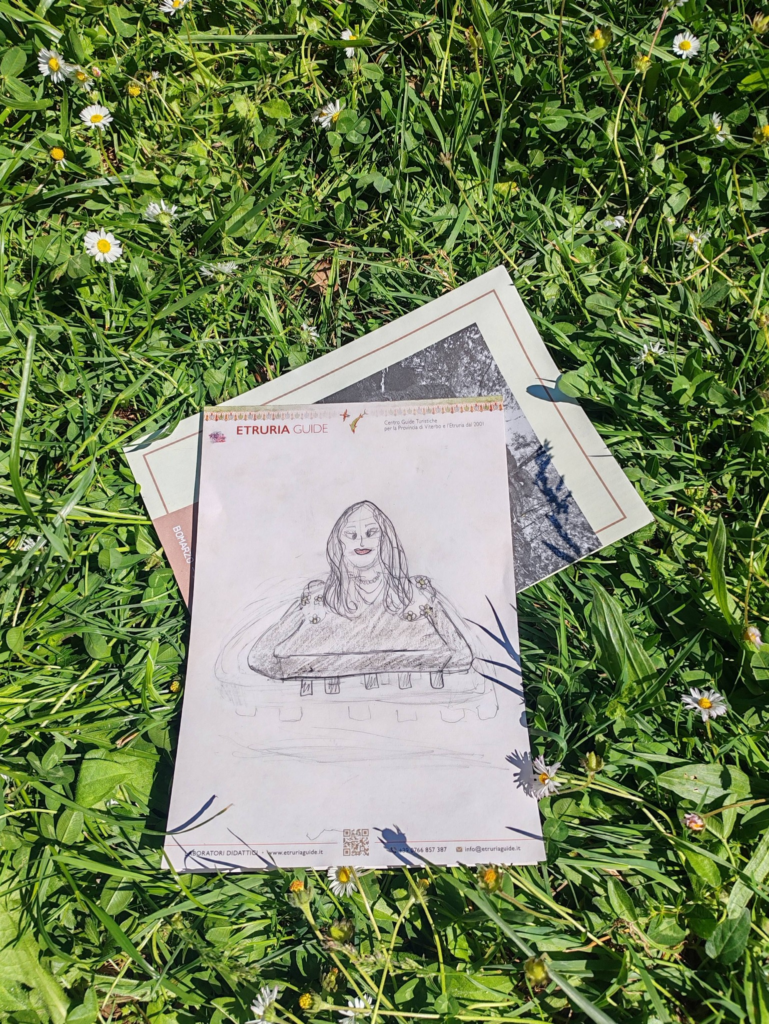
At the end of the guided tour, I asked them to draw the sculptures that had impressed them the most. Some were worried their drawings didn’t look exactly like the real ones.
But I reminded them: that’s what makes their work special. Their drawings aren’t just copies—they are unique visions shaped by their eyes, their thoughts, and their hearts.
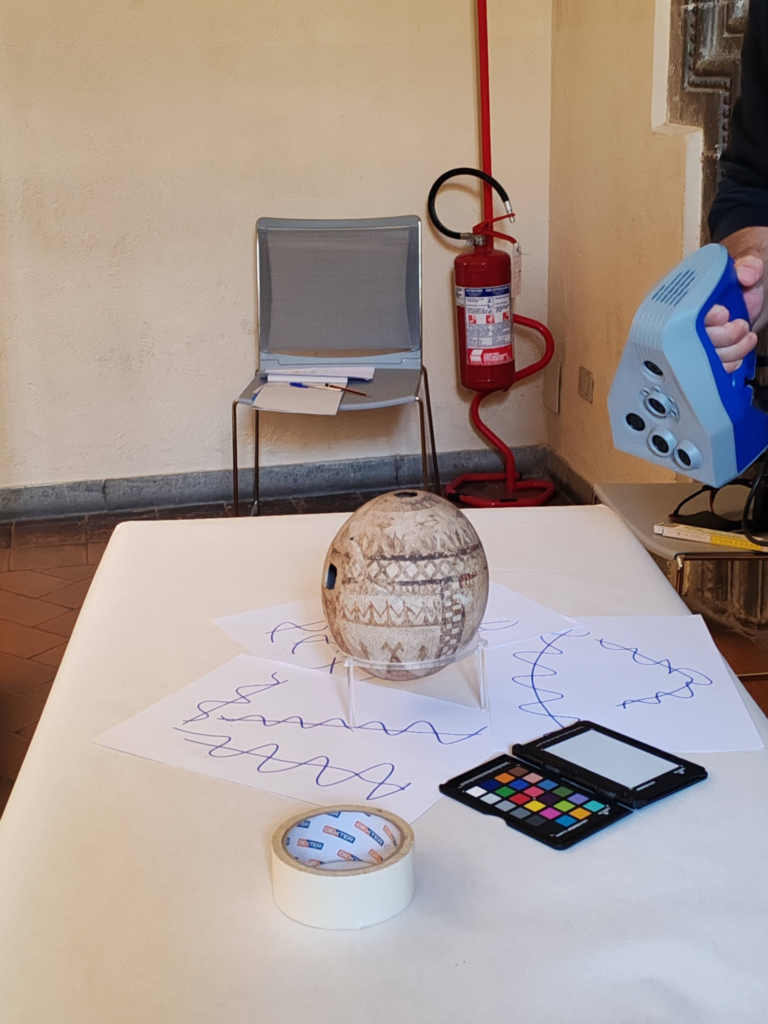
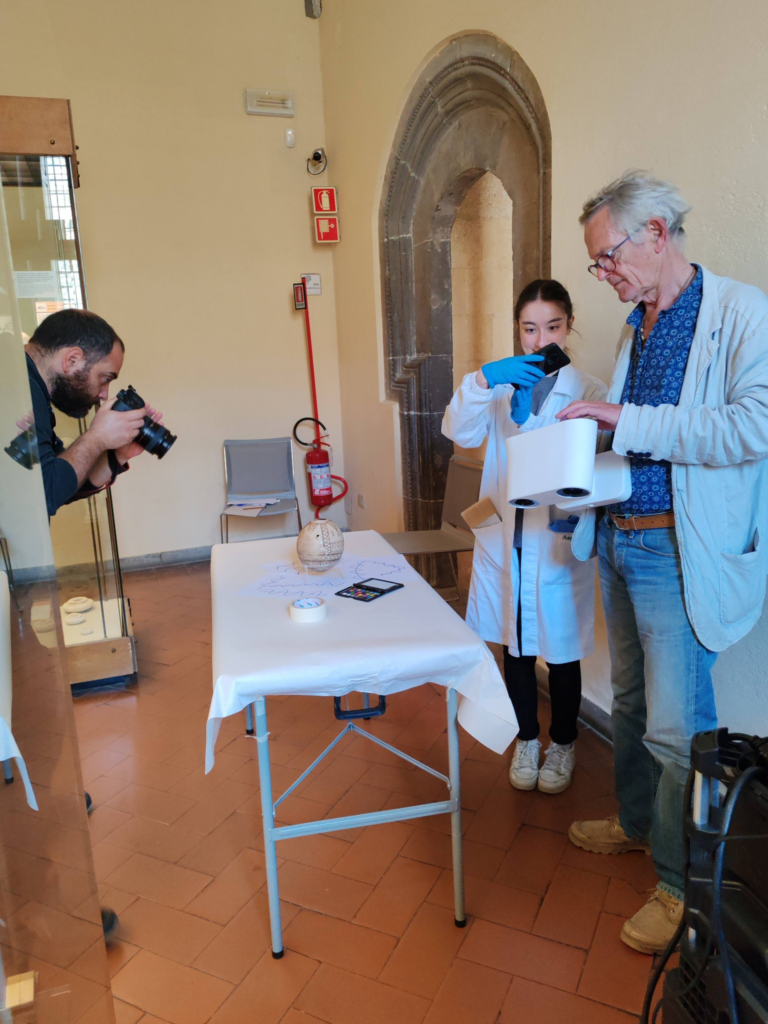
Today, while visiting the National Etruscan Museum in Tarquinia with a group of curious young learners, we had the opportunity to witness something truly special.
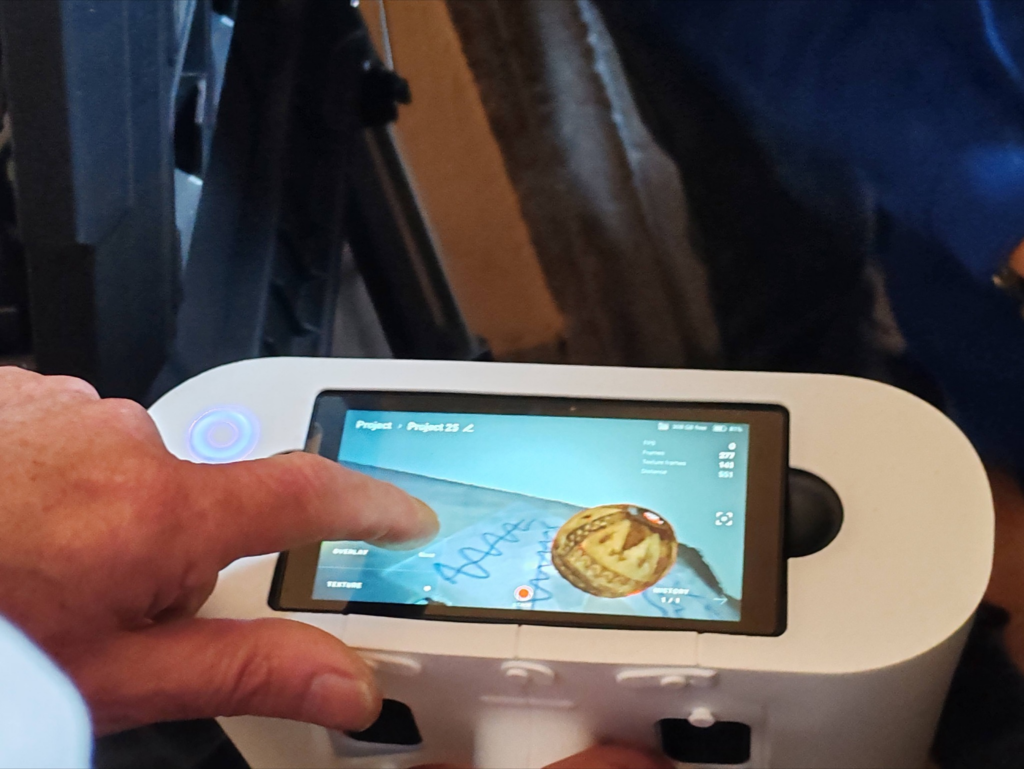
We observed experts in antiquities using modern technology to create detailed digital copies of historical artifacts. They were working on a beautifully decorated ostrich egg—originally imported from Africa and discovered inside one of the local Etruscan tombs. These eggs were considered luxury objects, often displayed in homes or even cut in half and used as elegant wine cups. Symbolically, they also represented rebirth and new life.
The professionals explained how digital scanning allows these priceless objects to be preserved forever, while also making them accessible through 3D reconstructions and virtual reality experiences.
To top it all off, they kindly took the time to answer questions from the children. One particularly thoughtful 10-year-old asked the archaeologist: “What emotions do you feel when you discover something like this?”
A beautiful reminder that curiosity and wonder are at the heart of learning—at any age.
An important part of being a guide is staying up to date with new discoveries and continuing to research.
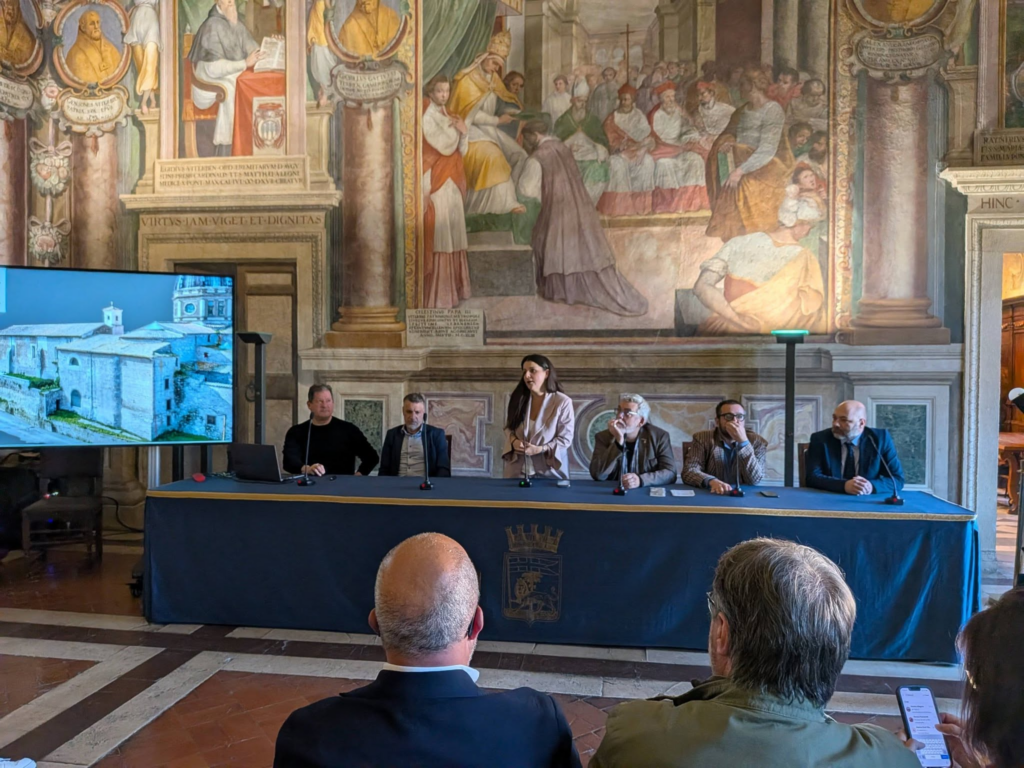
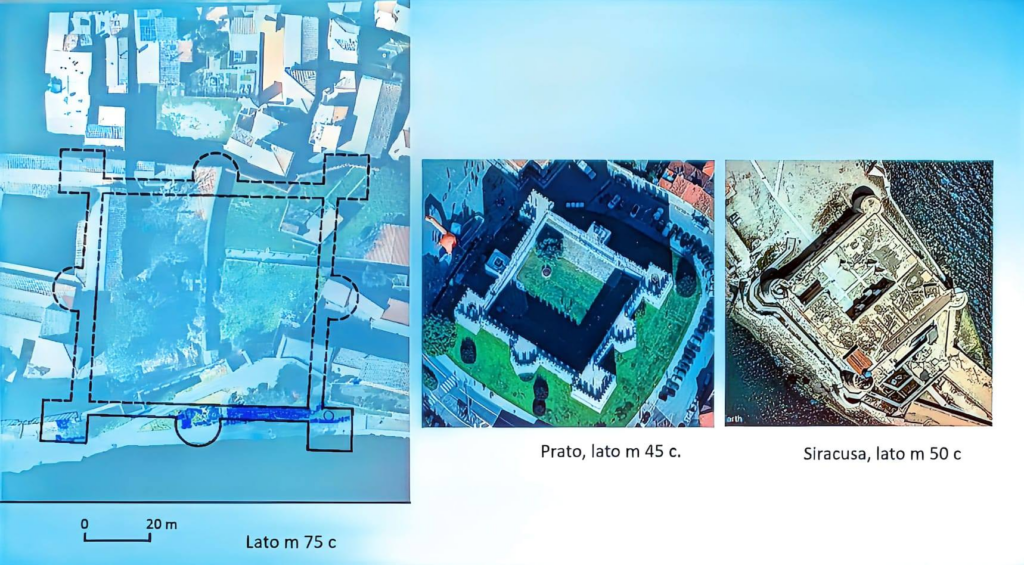
It’s not easy during peak tourism season, but I couldn’t miss yesterday afternoon’s conference at the Priors’ Palace about the start of a new archaeological excavation. The findings are already revealing the existence of an imperial palace built for Frederick II.
This 13th-century palace was partly integrated into the medieval walls—which had to be demolished in that section—and partly extended beyond them.
This discovery could make Viterbo a rare, if not unique, place in the world where both a papal and an imperial palace coexisted.
I can’t wait for the archaeological campaign to continue and uncover even more details!
Funny how places change once you know what’s beneath them.
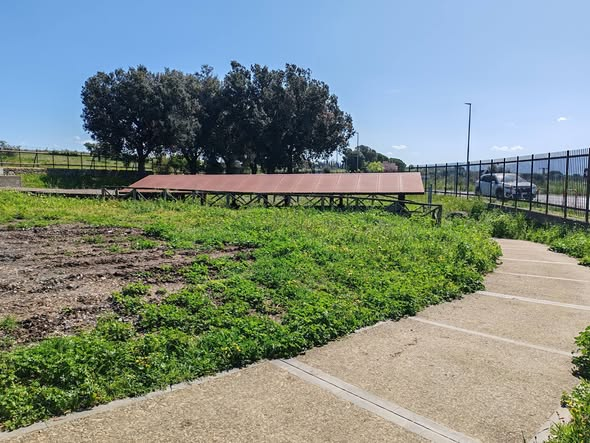
When I was little, the road to Tarquinia ran straight across this spot.
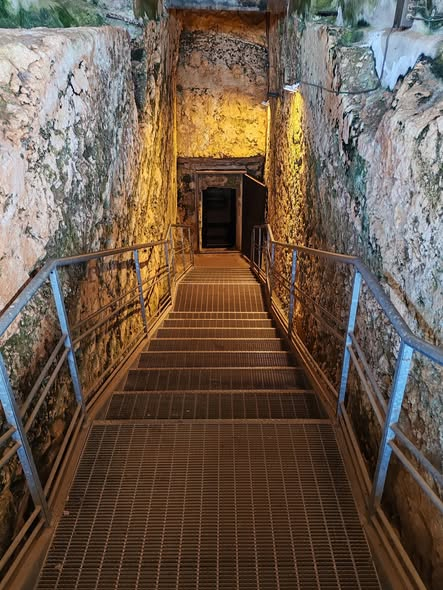
Then in 1985, they discovered an Etruscan tomb right here, and everything had to change. The road was redesigned, bending into a wide curve to protect what had been hidden underground for centuries.
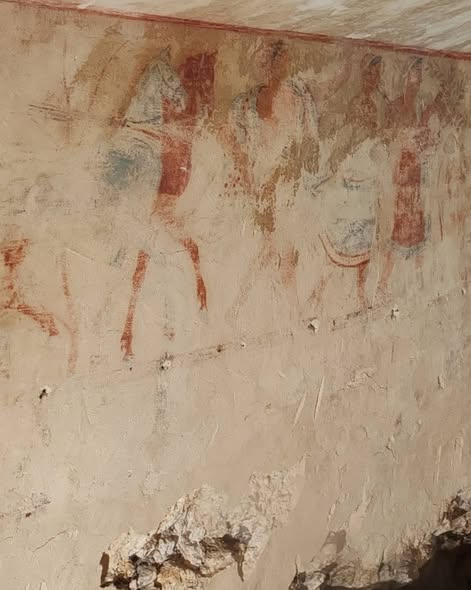
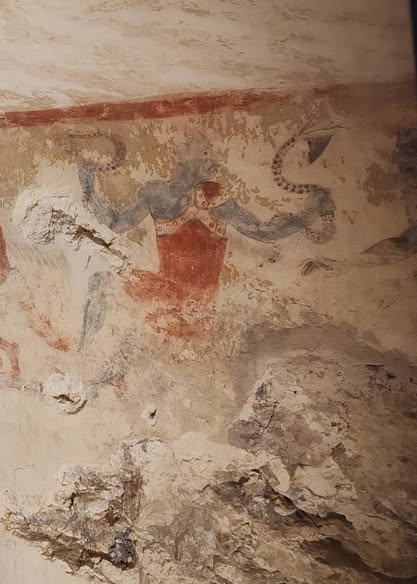
This is the Tomb of the Blue Demons,
5th century B.C..
Inside, there are incredible paintings: horses pulling a chariot, carrying the deceased on their journey to the afterlife, watched over by these mysterious blue demons.
Standing here this morning, it was surreal to think that beneath this quiet patch of green lies a story so ancient, so vivid…
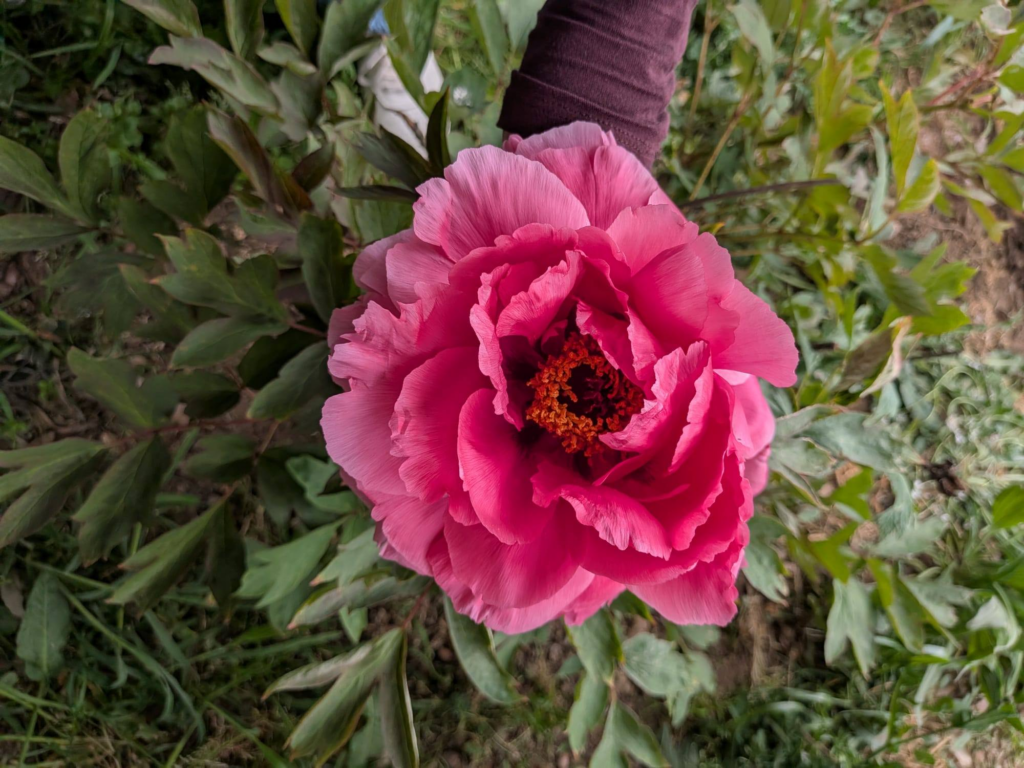
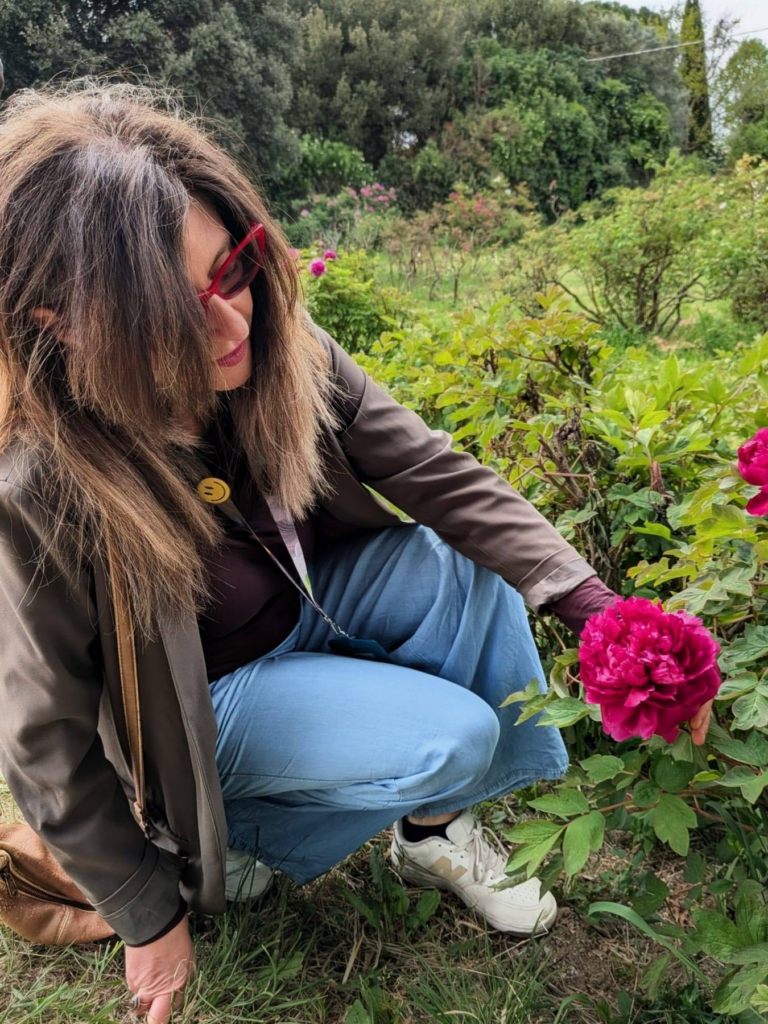
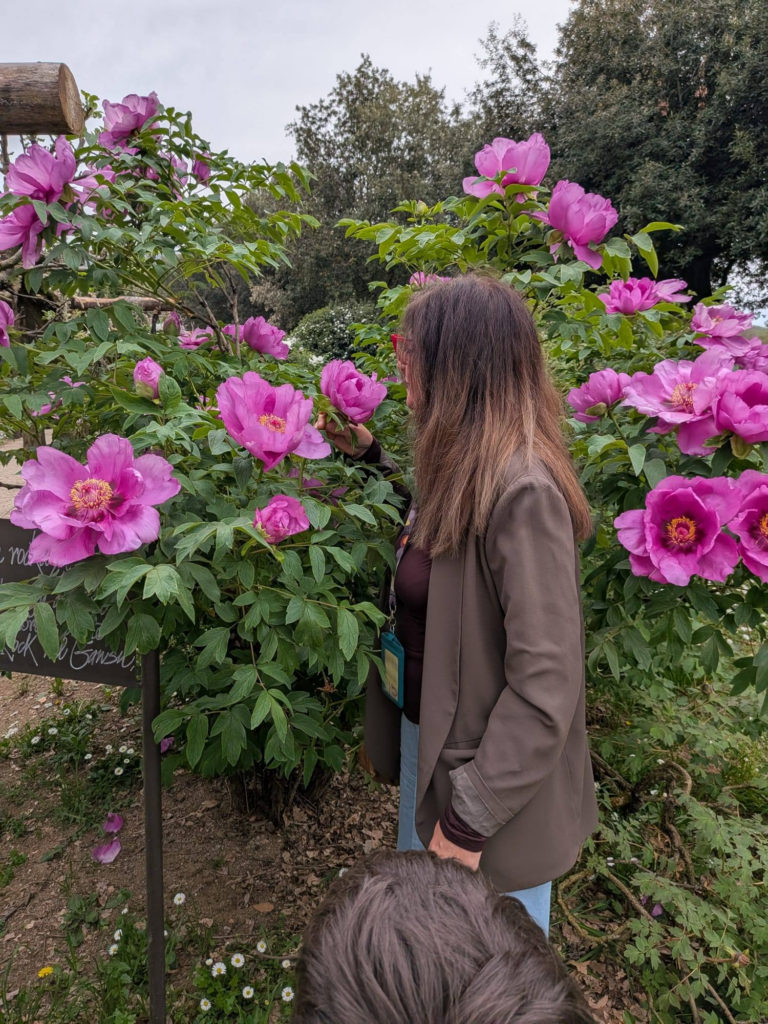
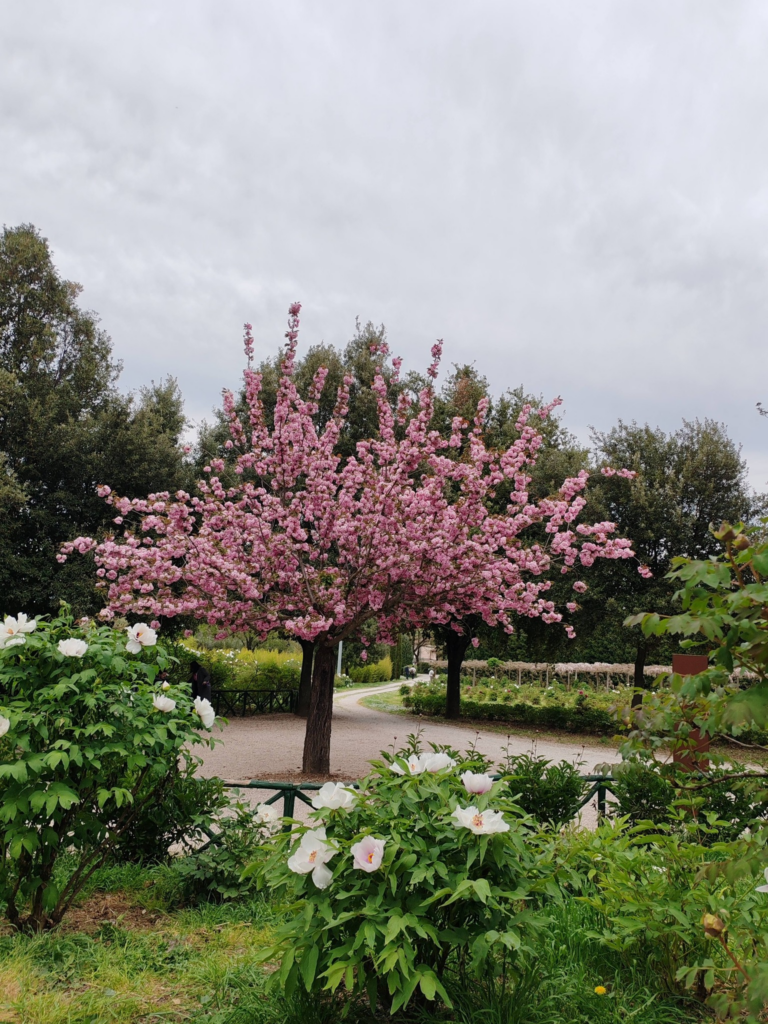
I often guide garden tours in Tuscia. This region has a higher concentration of Renaissance gardens than anywhere else in Italy, yet they are typically formal spaces defined by structure, symmetry, and greenery rather than flowers. For this reason, during blossom season, I love including a visit to the Centro Botanico Moutan in between tours of these Renaissance gardens—an opportunity to enjoy vibrant colours and, above all, the delicate fragrance of peonies.
This garden houses today the largest and rarest collection of tree and herbaceous peonies in the world. A private collection that the owner has been creating in the last 30 years via a thorough research in their native regions across many provinces of China.
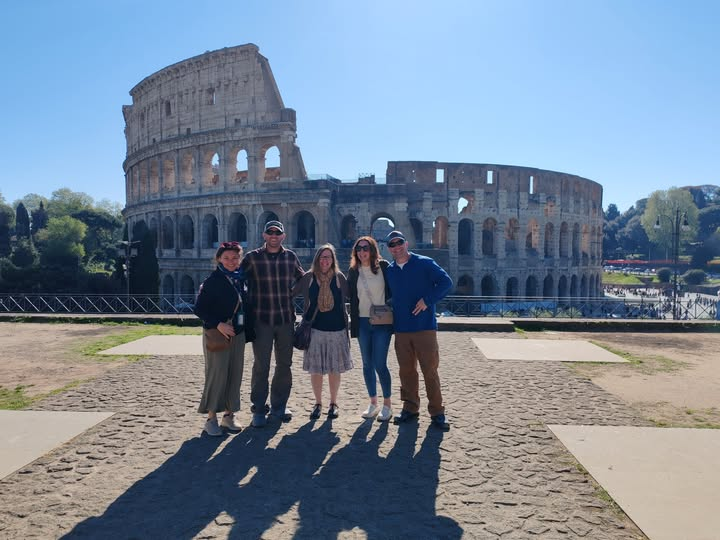
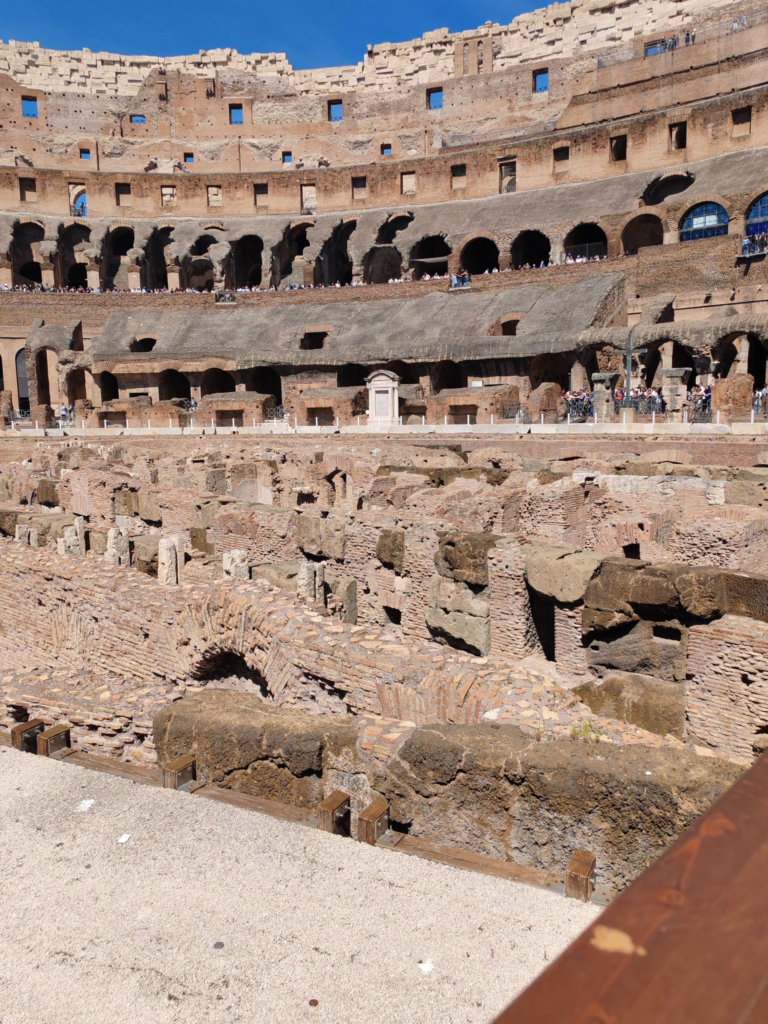
On the train back home after a long day working in Rome. I started this morning at the Colosseum Arena, then moved on to the Roman Forum, Saint Clement’s Basilica, the Pantheon, Piazza Navona, and Domitian’s Stadium — non-stop.
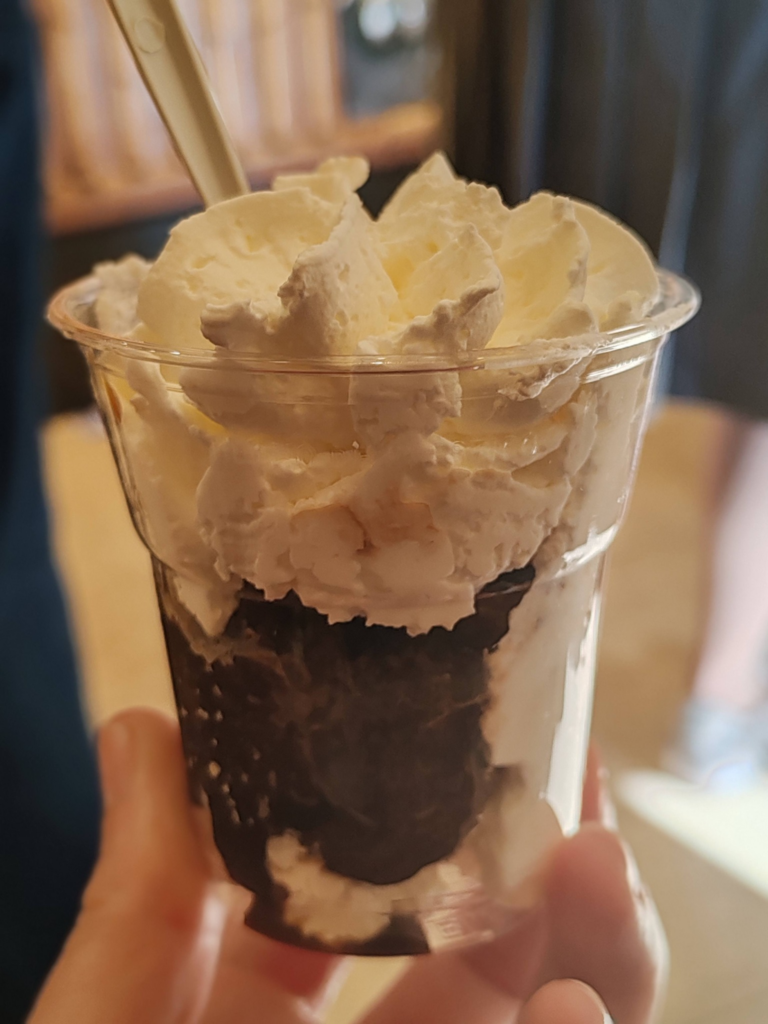
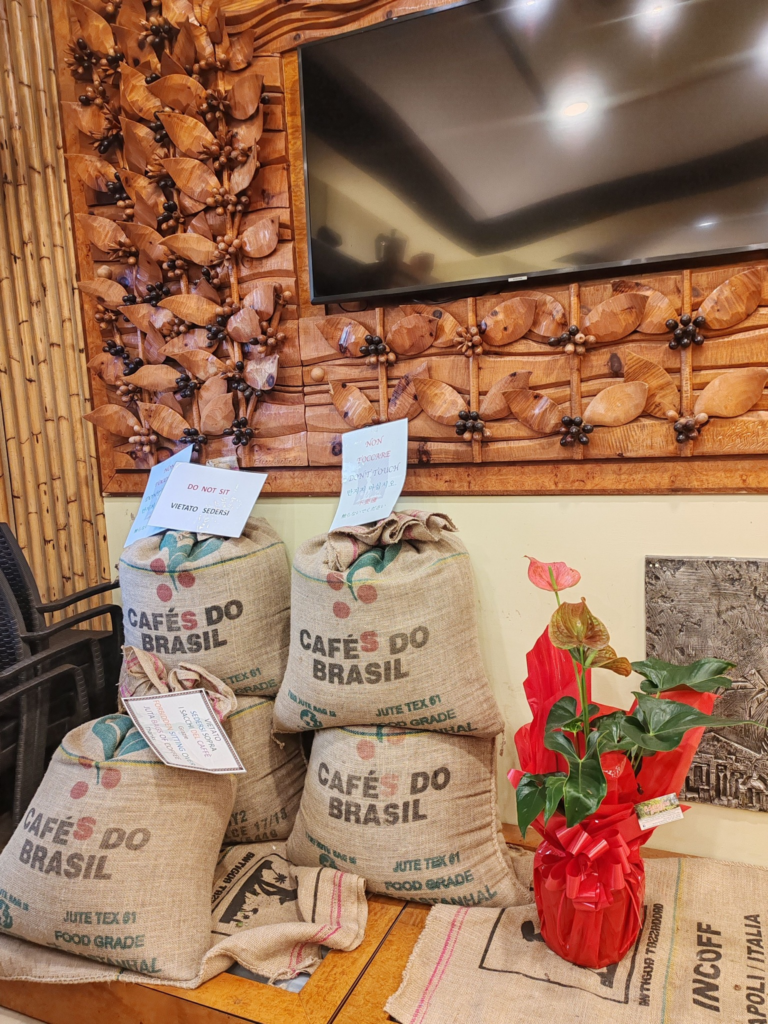
I had to treat myself at the end and give one last push: queuing up for one of the best coffee granitas in Rome, a step away from the Pantheon. This bar imports its own coffee beans directly from Brazil, and the flavor of the coffee blended with crushed ice is incredibly rich — of course, served between two layers of freshly whipped cream!
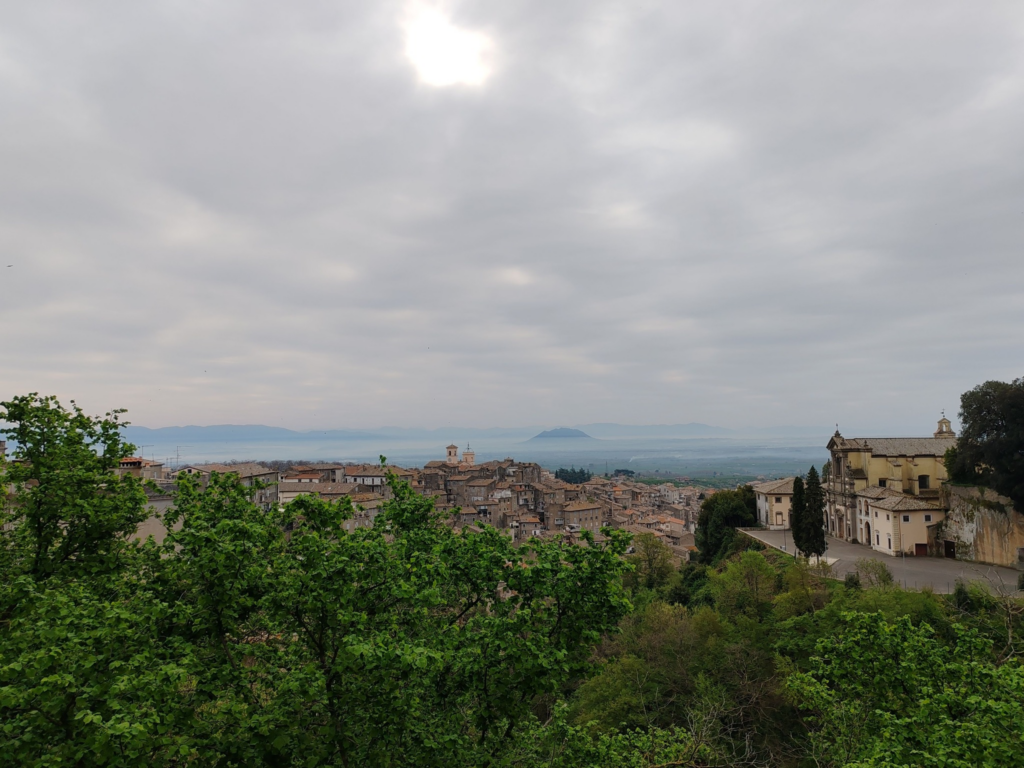
A view of Mount Soratte from Caprarola this morning. It looks like an island in a sea of clouds—just as it once was about 2 million years ago, when it emerged as a limestone island in a warm and shallow sea that covered the Roman countryside and the Lazio coast.
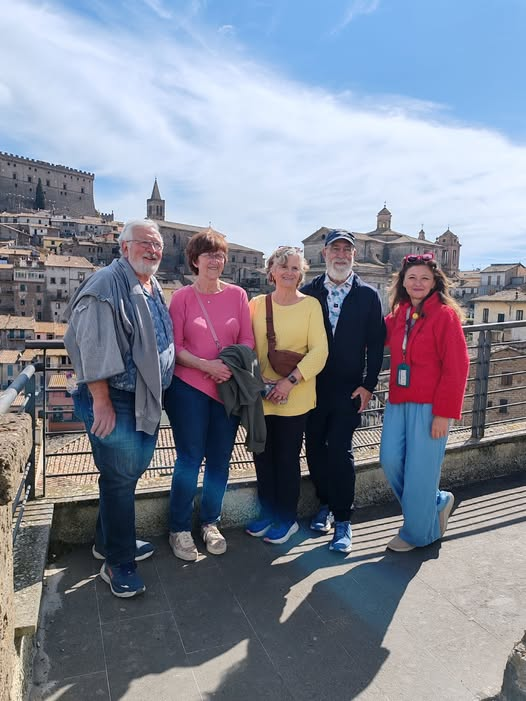
This morning I had the pleasure of guiding a lovely group from Pennsylvania on a garden tour around Tuscia. Before heading to the UNESCO beech forest in Soriano, we made a special stop for a bit of sightseeing in my hometown.
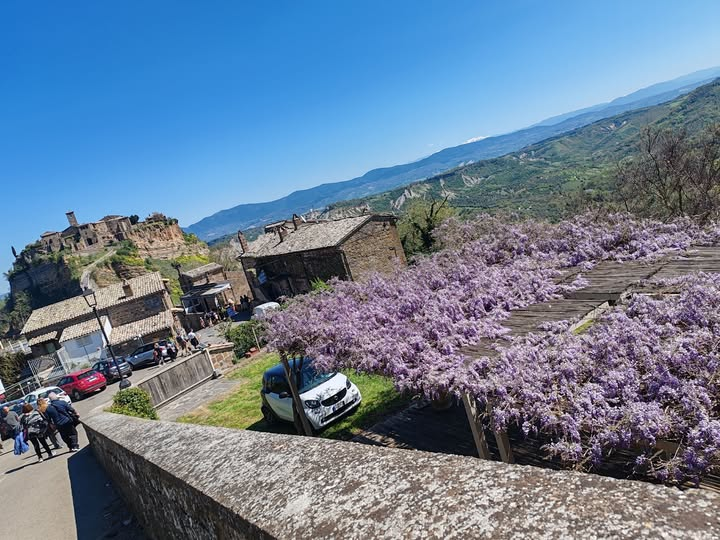
I wish you could smell through your screen the fragrance of spring blossoms here in Bagnoregio, it’s inebriating… Today it’s very sunny and hot – I’m wearing short sleeves for the first time, but notice in the photo the mountain in the background still completely cover in snow!
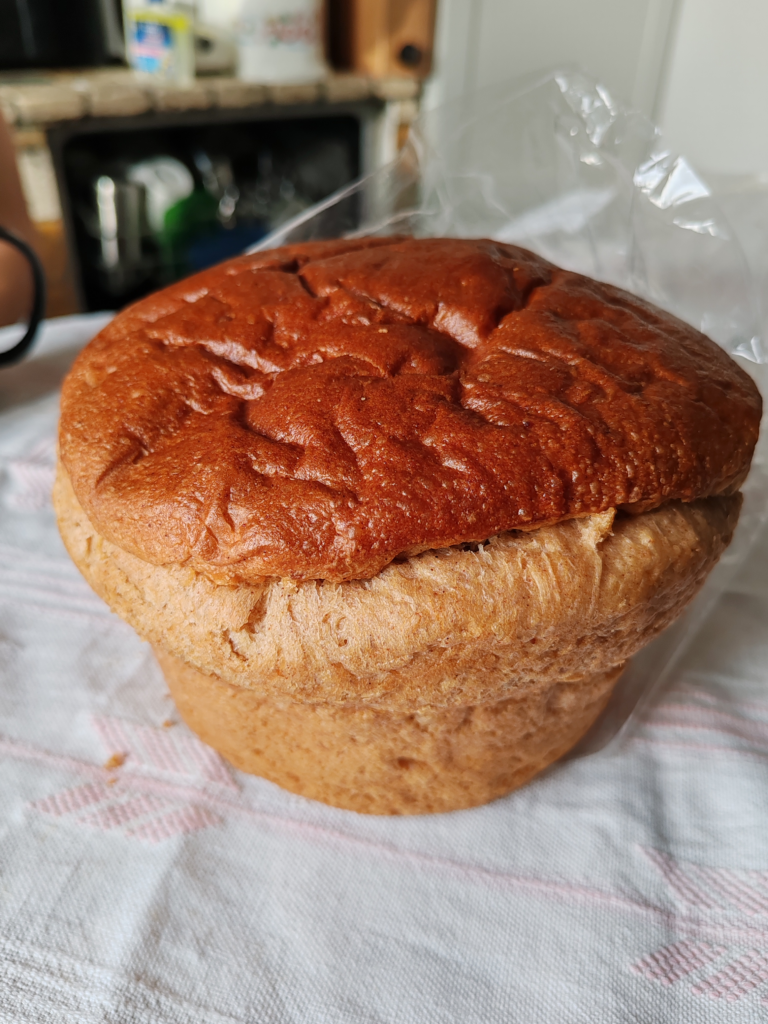
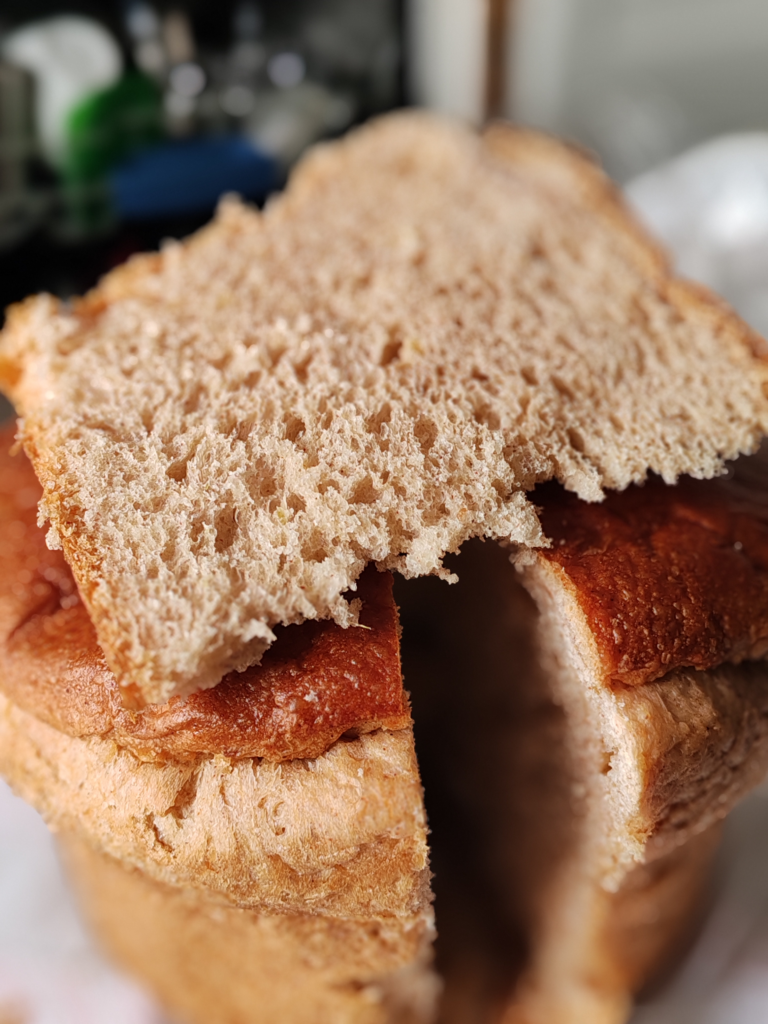
All the bakery and shop windows in this period just before Easter are filled with a very local traditional cake called “pizza di Pasqua.” Despite the name, it has nothing to do with pizza—it’s slightly sweet, wonderfully aromatic, and flavored with grated orange zest, cinnamon, and a splash of liqueur.
We usually enjoy it on Easter morning, alongside salami, cheese, and chocolate. It’s one of those unique traditions you won’t find in other parts of Italy—very much a specialty of Tuscia.
Some of my fondest memories are from when I was a child, going with my mum to her friend Pina’s house to make them. She had a big outdoor oven, so many cakes could bake together at once. Sometimes we had to wait until midnight—or even later—before they were finally ready to go in.
The rising process was long and unpredictable, and we never knew exactly how long it would take. I still remember my mum’s quiet anxiety, hoping the dough would rise at just the right time to match the oven’s temperature. And then, the exhaustion—falling asleep in the car on the way home, surrounded by all those “pizze di Pasqua” wrapped in newspaper.
The next morning was pure magic: waking up to a kitchen table full of beautifully baked cakes, and my mum standing there with such a proud smile.
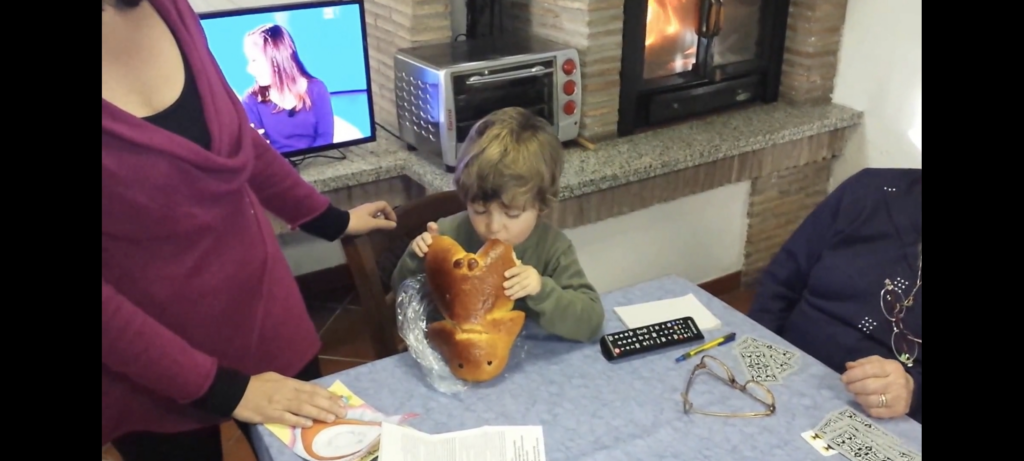
In the old times, any leftover dough wasn’t wasted. It was turned into something special for the children—a little puppet called “Bracone,” decorated with an egg on its belly and berries for eyes, a simple and lovely symbol of fertility.
Every year, just before the peak season for tour guides begins, we receive invitations from new restaurants in the area, as well as from long-established ones eager for us to try their new seasonal menus.
It’s always a wonderful opportunity—not only to discover great local food, but also to strengthen the synergy and cooperation among fellow authorised tour guides before the busy months ahead.
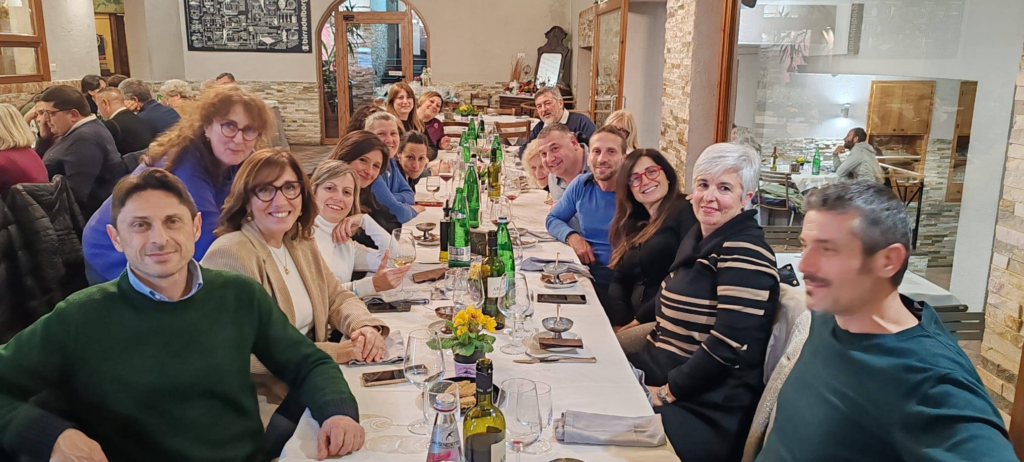
Last night we were truly spoiled at Il Borgo 1957, a well-established restaurant in the main piazza of Bagnaia, just a two-minute walk from the lavish Renaissance fountains of Villa Lante.
We had the chance to taste at least ten different local specialties, perfectly paired with their lovely wines. Among the many traditional dishes, a few stood out for both quality and presentation: chickpea and chestnut soup, green handmade ravioli filled with duck mince, and spicy Roman-style tripe.
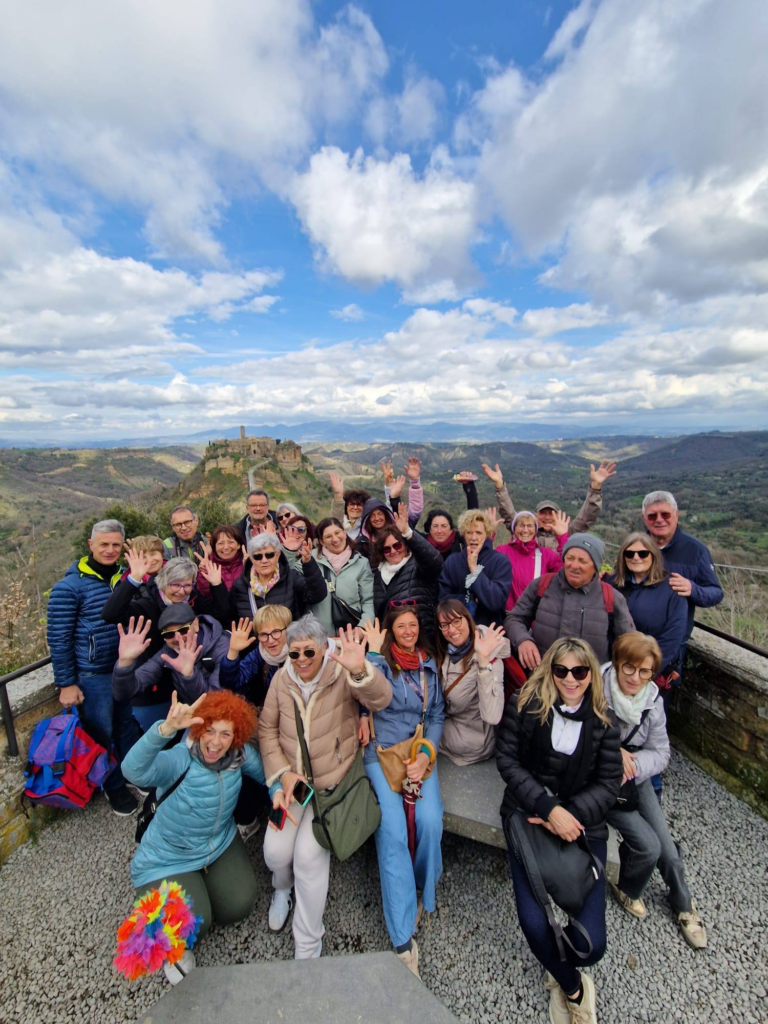
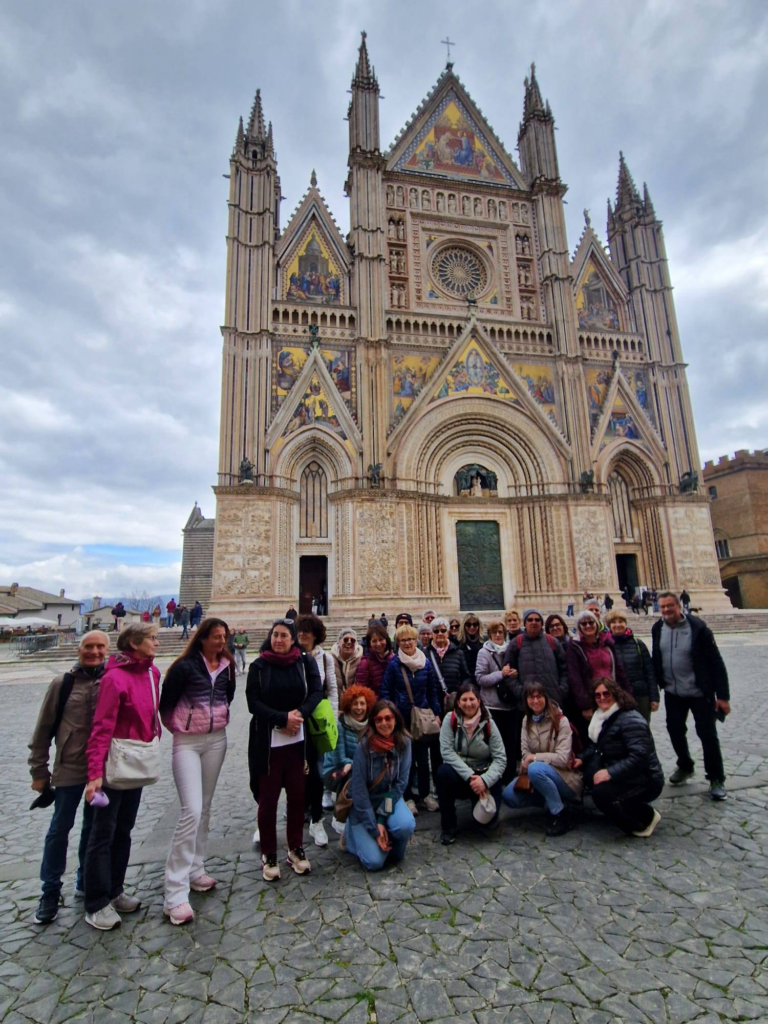
After such a fun evening—and a few glasses of red—it wasn’t exactly easy to get up this morning for a full day of work. But the cheerful group from Vicenza, together with the beauty of Orvieto and Civita, gave me all the motivation I needed to enjoy yet another memorable day in Tuscia.
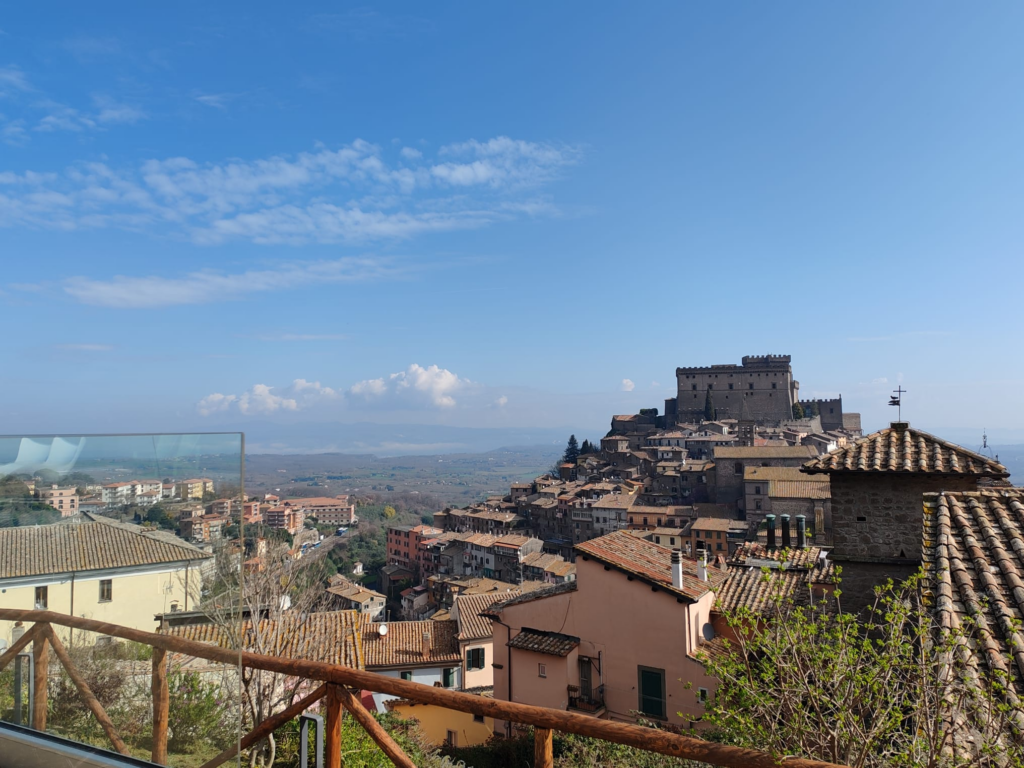
This photo means a lot to me. I took it this morning from Palazzo Catalani Hilton Resort in Soriano nel Cimino.
Over ten years ago I worked there organizing tours and musical events. It was such a special time in my life — I made many great friends, and I’m still in touch with quite a few of them today. Back then, this beautiful garden with its stunning view didn’t even exist!
Leaving that job was quite a sad moment for me, especially saying goodbye to colleagues I was very close to.
A few weeks ago an agency hired me to take a couple of clients on a tour while they were staying there. This morning I arrived about half an hour early, secretly hoping I might run into some of the people I used to work with… and I got lucky! I met Sara and Davide and was also introduced to some of the new staff.
It felt really special to be back after so many years. Some places just stay in your heart, and Palazzo Catalani will always be one of them. 😊
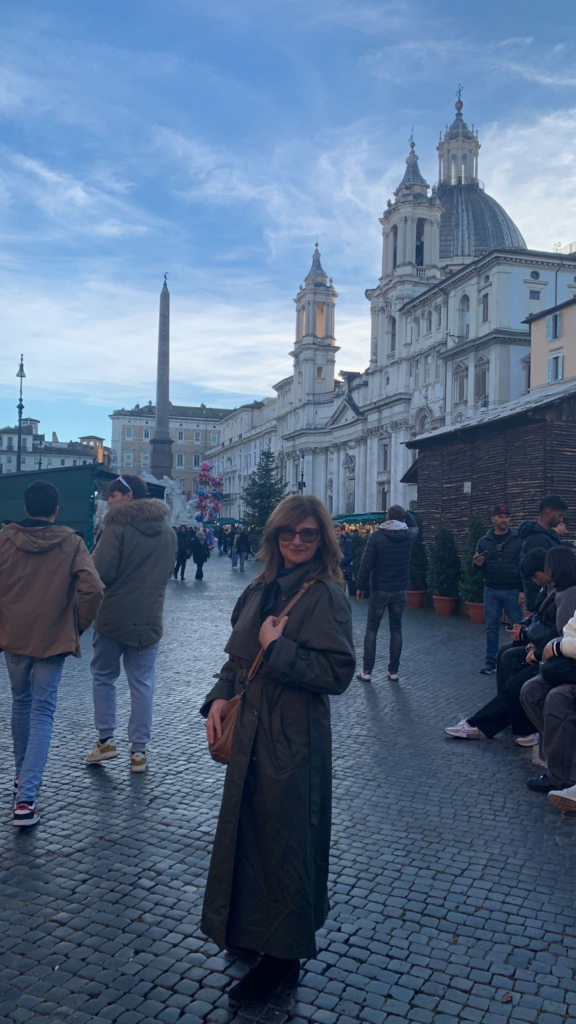
This is me at sunset in the beautiful Piazza Navona, one of the most iconic squares in the centre of Rome.
But did you know that 4-meters under the square level lie the remains of the ancient Stadium of Domitian?
Built in 85–86 AD for athletic competitions, it was the first masonry athletics stadium in Rome and could hold around 30,000 spectators. A fascinating UNESCO World Heritage site where history truly lies beneath your feet!
Come and and explore Rome with me, beyond and beneath!!!
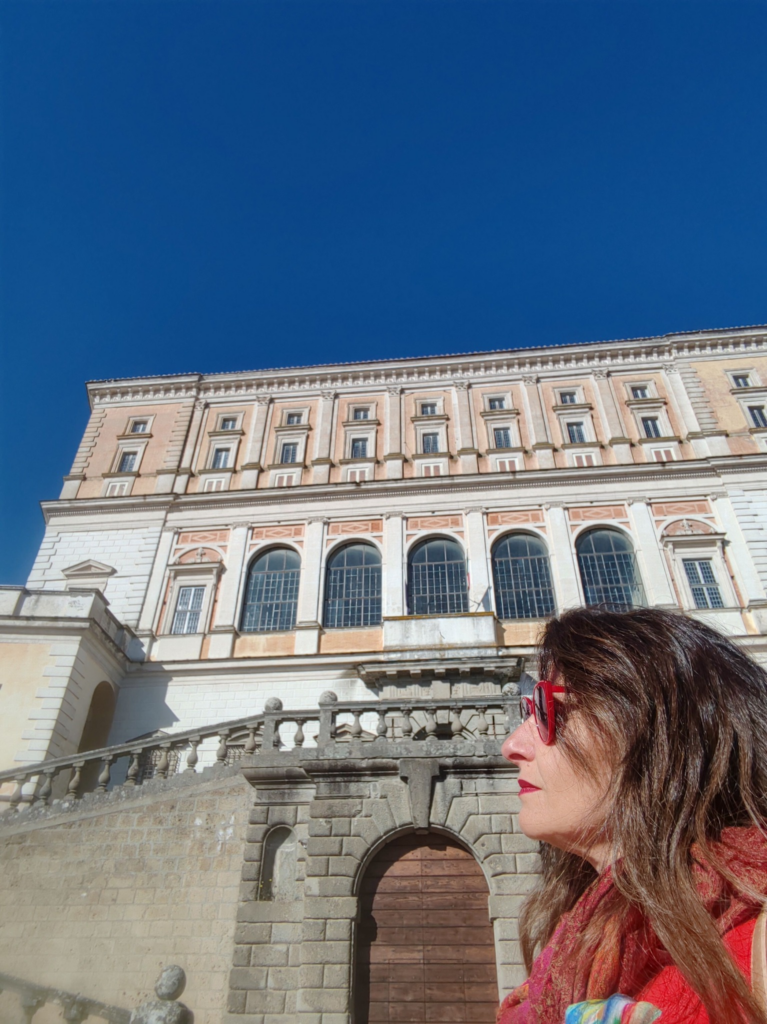
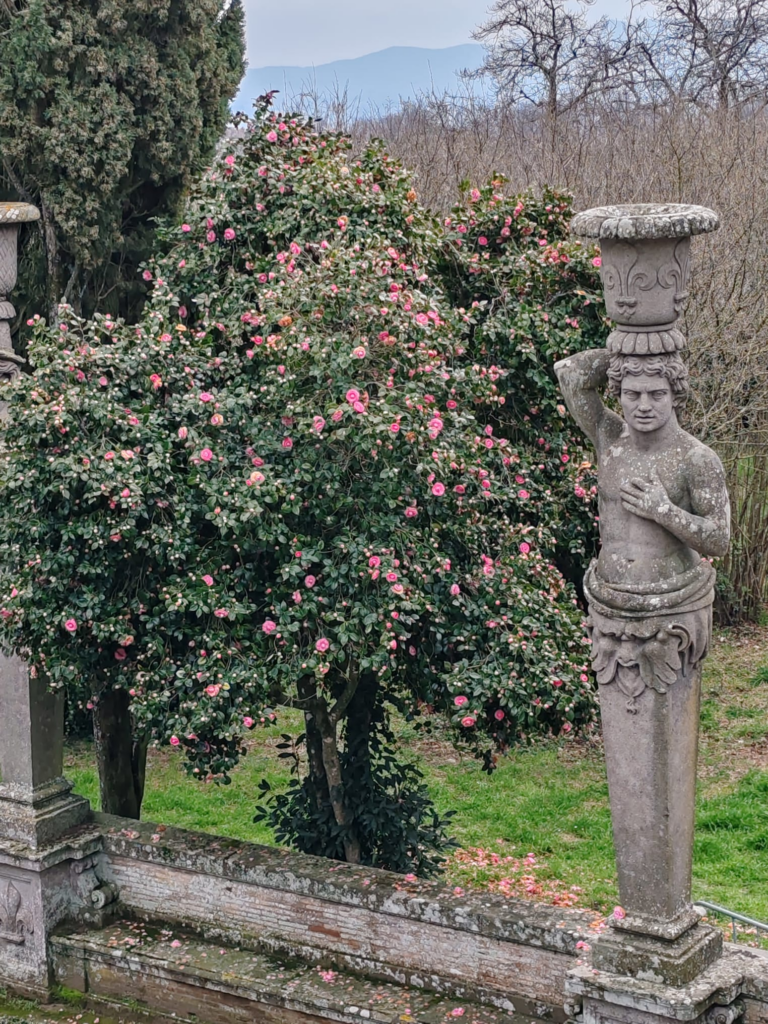
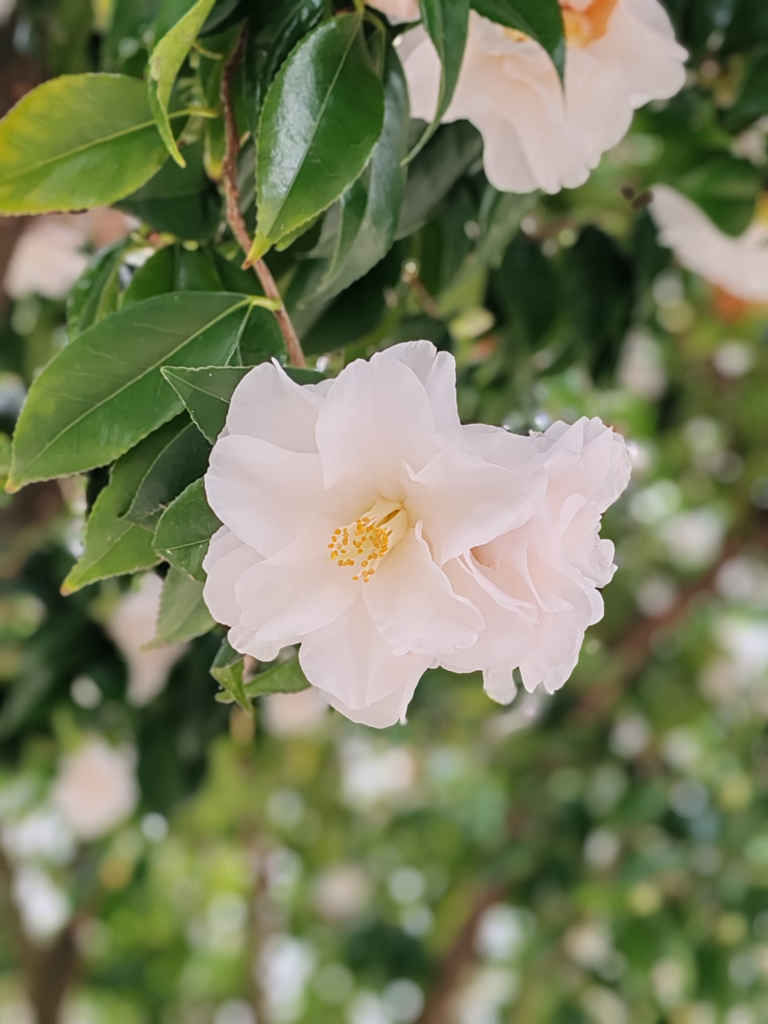
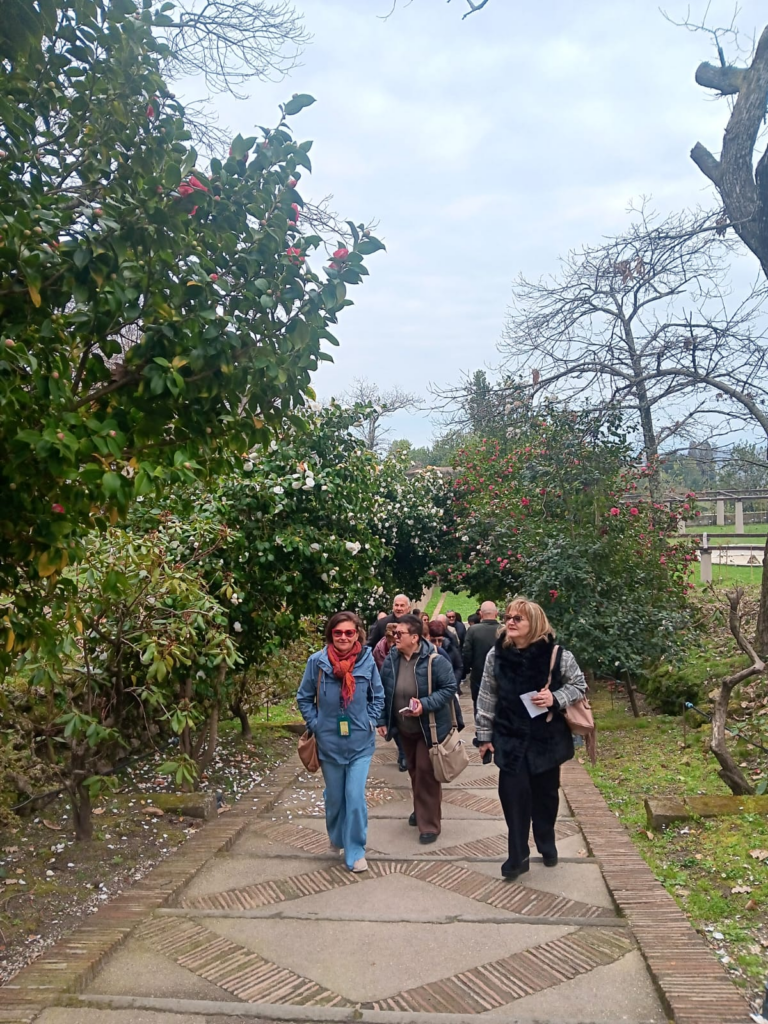
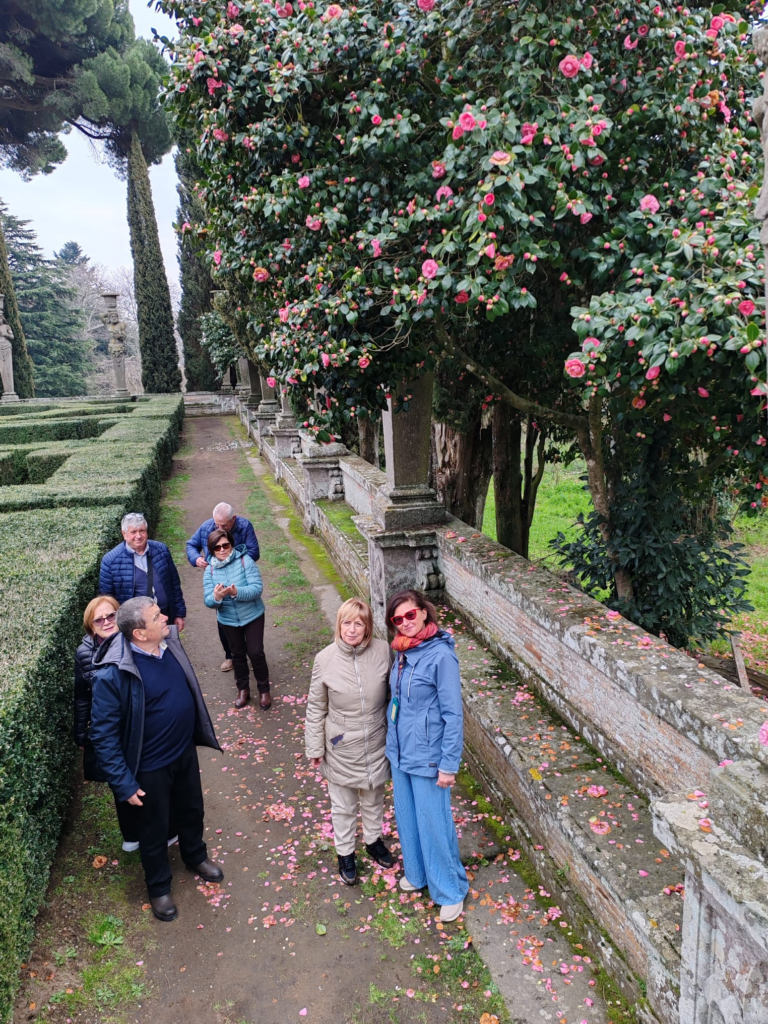
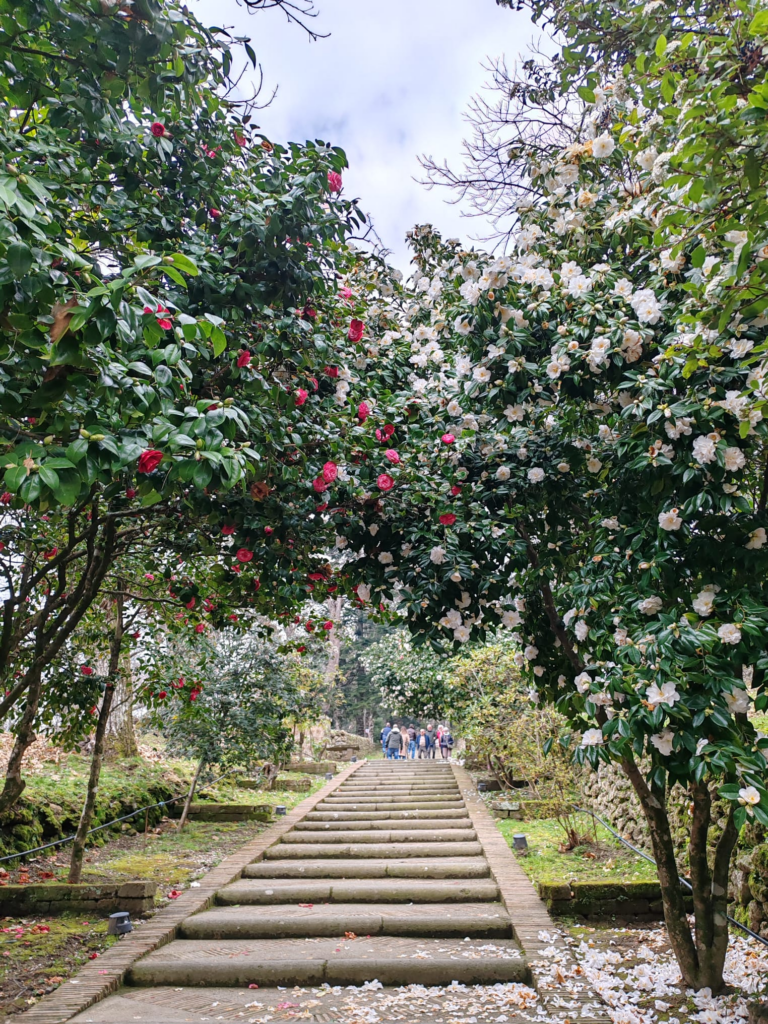
Today I had the pleasure of guiding a lively group from Frosinone to Palazzo Farnese. I was especially excited to see this year’s camellia blossoms, as I had heard they had just begun to bloom — and they did not disappoint. The garden was simply magical.
Italian-style gardens, developed between the Renaissance and the Baroque periods, did not make extensive use of colorful flowers because they were based on architectural principles of order, symmetry, and control over nature. Evergreens, geometric hedges, and statues were preferred to create permanent structures consistent with the villa and the surrounding hilly landscape.
However, Camellias were introduced into historic Italian gardens starting in the late 18th century (late 1700s), with widespread diffusion established in the 19th century. The first specimens arrived in Italy between 1760 and 1786.
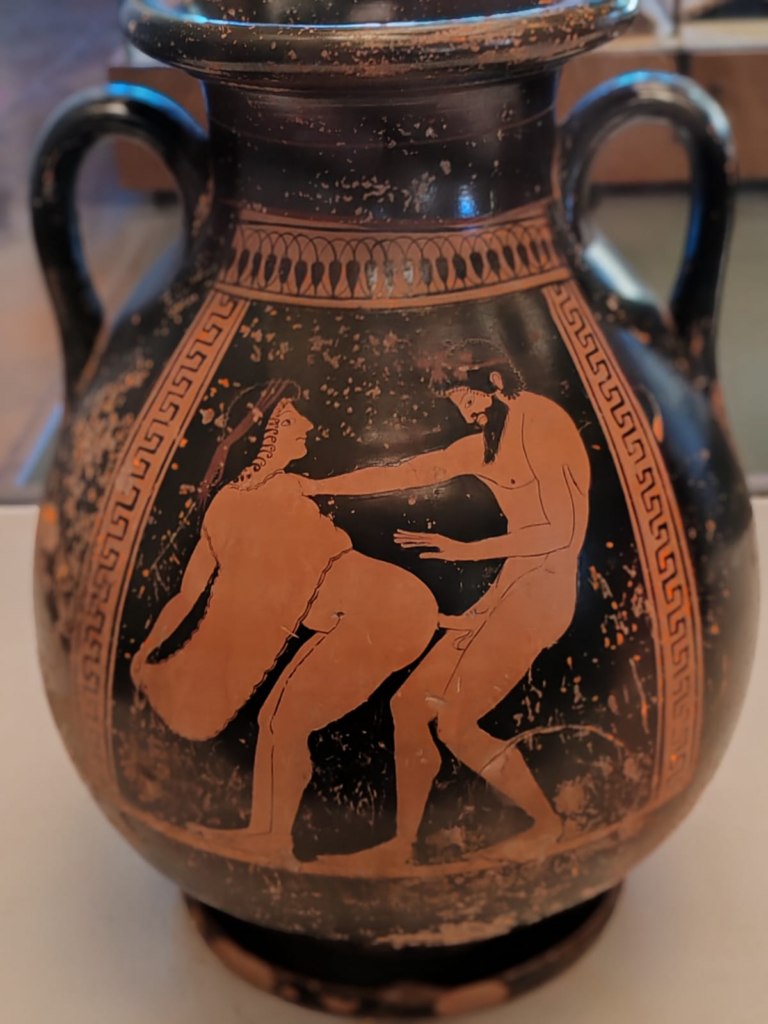
When I take visitors to the Museo Archeologico Nazionale di Tarquinia, there’s always a particular moment that shifts the atmosphere of the tour. As we move through the rooms of Palazzo Vitelleschi and arrive at the collection of erotic vases, a subtle embarrassment sometimes fills the space. Smiles become restrained, glances quick and sideways. I usually clear my throat, briefly mention that “yes, these are part of the collection,” and jokingly suggest we won’t be taking too many questions on the subject. It’s a lighthearted way to move on — and yet, those vases deserve far more than a hurried comment.
Because in the ancient world, sexuality was not seen as sin or taboo, but as a cosmic force connecting human beings to the divine. In the civilizations of the Mediterranean and the Near East, eros was understood as vital energy — a creative principle woven into the fabric of existence.
In Mesopotamia, the cult of Ishtar — also known as Inanna — united love, fertility, and power in one divine figure. Ritual sexuality was not a source of shame, but a symbolic act of renewal, believed to sustain both land and community.
In ancient Greece, desire was equally intertwined with the sacred. Aphrodite embodied generative beauty, while the cults of Dionysus celebrated ecstasy, transformation, and the dissolution of boundaries between human and divine.
The vase shown here — an example of Attic red-figure pottery — depicts an intimate encounter between two figures. Far from being merely provocative, scenes like this were painted onto everyday objects used during symposia and domestic gatherings.
What makes these pieces even more fascinating is their journey. Although crafted in Greece, many of these vases were discovered inside Etruscan tombs in Tarquinia. Funerary arrangements in Etruscan society were often organized by the surviving partner or family members when a loved one died. The objects placed in the tomb were not random: they were chosen with care.
It is therefore moving to imagine that a vase bearing a particular image — perhaps one that had accompanied a couple during banquets or daily life — was selected precisely because it held personal meaning. The scene represented on the ceramic may have reflected intimacy, affection, shared experiences. In this sense, these erotic images were not simply decorative or symbolic in a general way; they may have been deeply connected to individual lives and relationships, and sometimes chosen as a final companion for eternity.
Perhaps the slight embarrassment we feel today says more about us than about them. For the Greeks — and for the Etruscans who treasured and buried these objects — the body was not separated from the sacred sphere. It was one of its expressions.
And this is something my job constantly reminds me: when studying history and ancient civilizations, we should never judge the past through the lens of our own modern mentality. To truly understand
these cultures, we must first try to see the world as they did — where eros was not the opposite of the sacred, but one of its oldest and most profound manifestations.


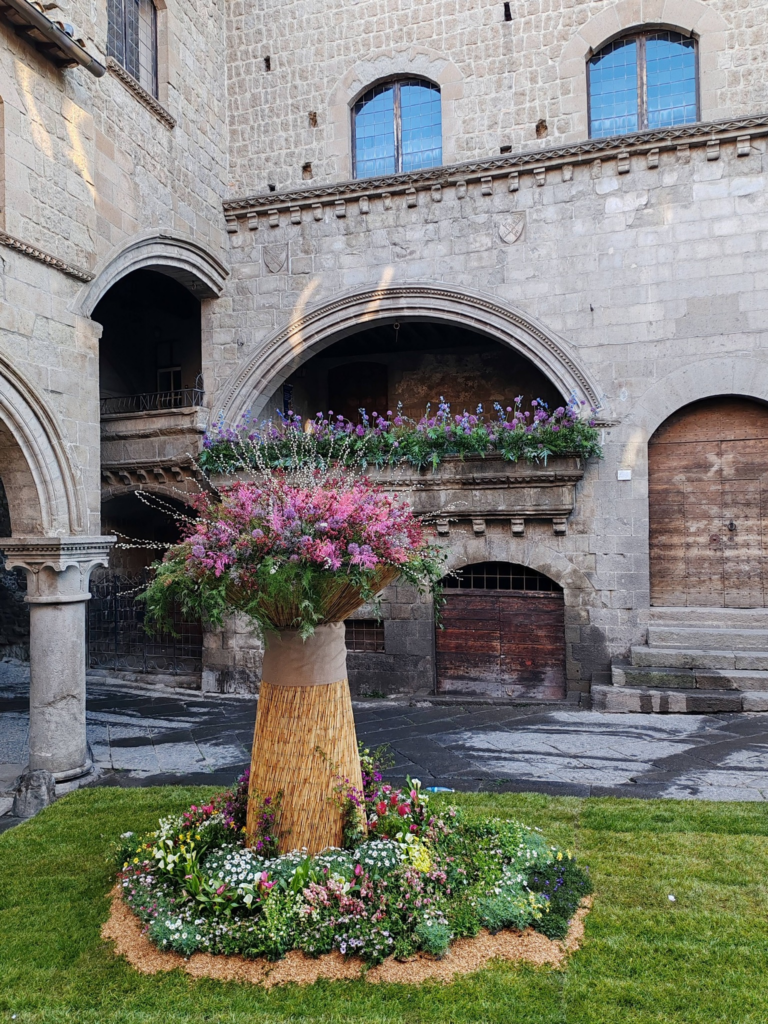
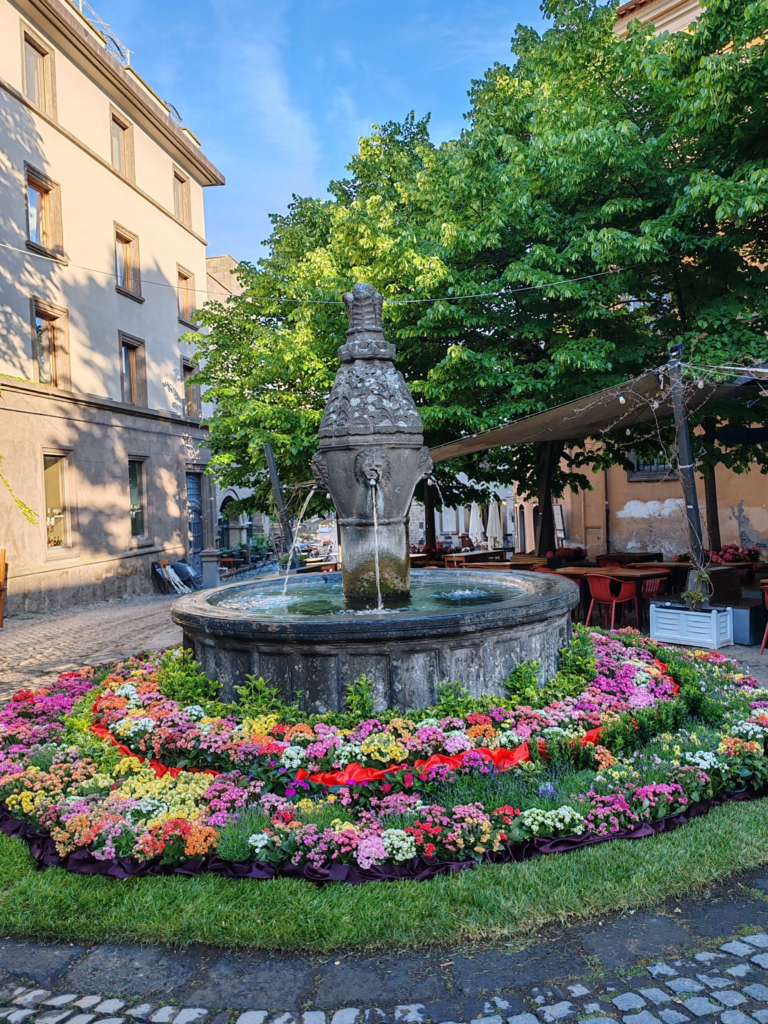
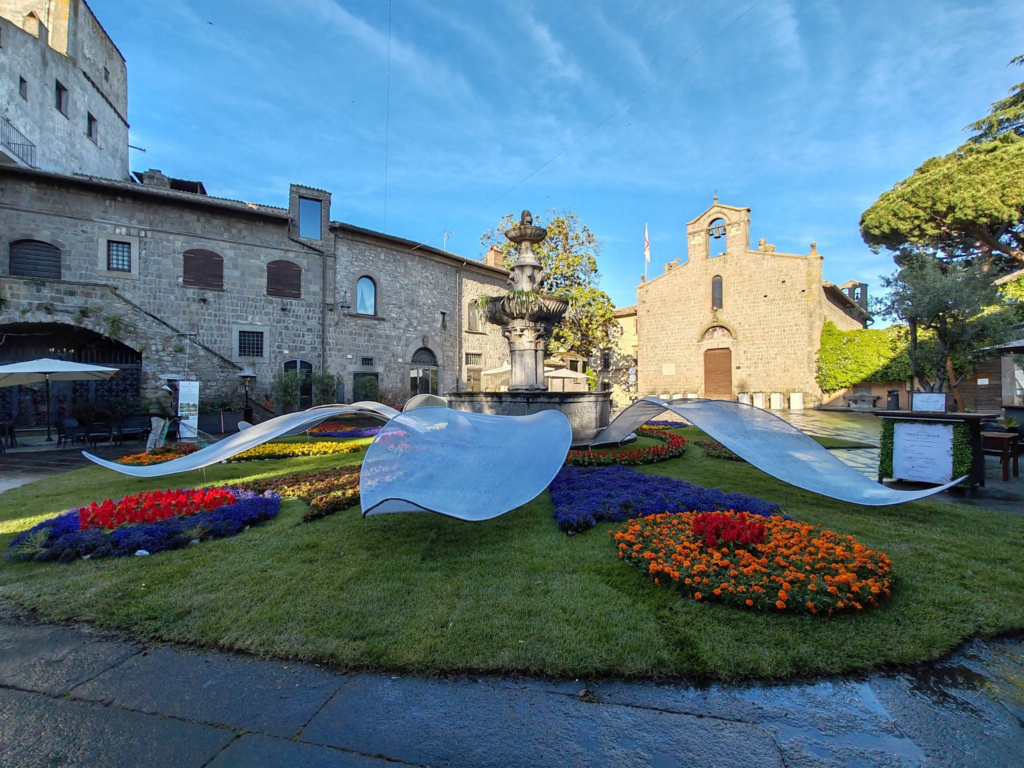

 ).
).